

The U.S. healthcare industry continues to see strong demand for skilled allied health professionals in 2026. Among the most popular and accessible career paths are Vocational Nursing and Medical Assistant roles. Both careers offer stable employment, meaningful patient interaction, and clear entry-level pathways into healthcare—but they differ significantly in training focus, scope of practice, and long-term career development.
Whether you are a recent high school graduate, a career changer, or someone seeking a faster route into the healthcare workforce, understanding the differences between these two roles can help you make an informed decision. This guide compares vocational nursing (LVN/LPN) and medical assistant careers to help you determine which path best aligns with your goals in 2026.
Core Duties: Vocational Nurses vs. Medical Assistants
While both roles support healthcare teams and patient care, their daily responsibilities and scope of practice are defined by state regulations and healthcare facility needs.
Licensed Vocational Nurse (LVN) / Licensed Practical Nurse (LPN) Duties
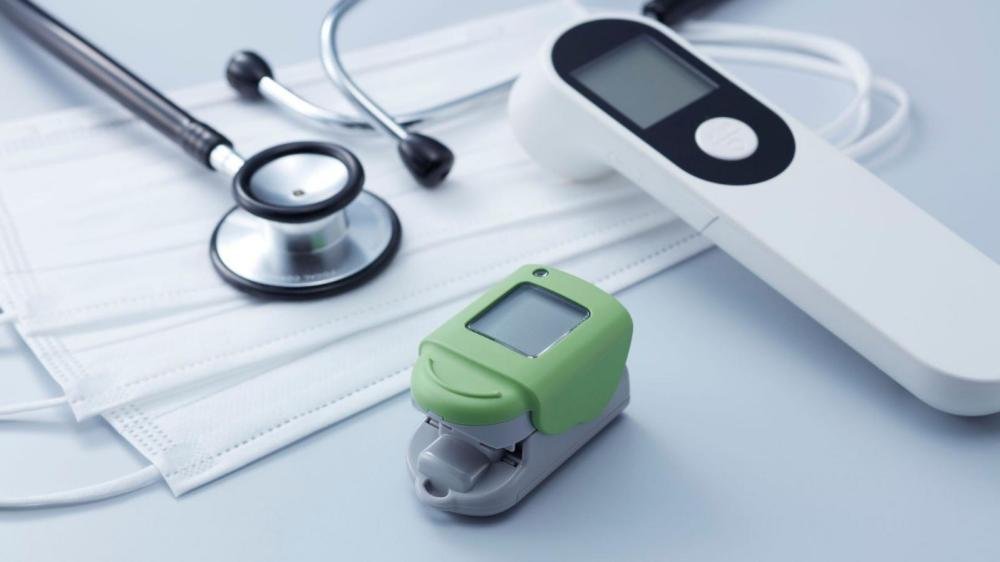
Vocational nursing programs prepare students to become Licensed Vocational Nurses (LVNs) or Licensed Practical Nurses (LPNs), depending on the state. These nurses work under the supervision of registered nurses (RNs) and physicians and focus primarily on direct patient care.
Common responsibilities include:
- Administering medications and providing basic wound care
- Monitoring vital signs and reporting patient condition changes
- Assisting patients with mobility, hygiene, and daily living activities
- Supporting patient education and post-treatment care instructions
- Collaborating with RNs and physicians to implement care plans
- Assisting care teams with documentation and technology-supported workflows, including telehealth-related processes, as permitted by facility policies
LVN/LPN roles are commonly found in long-term care facilities, hospitals, outpatient clinics, home health agencies, and hospice settings.
Medical Assistant Duties
Medical Assistants play a versatile role by supporting both clinical and administrative operations within healthcare practices. Their scope of work varies by state law and employer, but they are essential to efficient day-to-day patient care.
Typical responsibilities include:
- Taking patient histories, measuring vital signs, and preparing patients for examinations
- Assisting physicians during exams and with basic clinical procedures, as permitted by state regulations
- Managing appointment scheduling, billing tasks, and insurance verification
- Maintaining and updating electronic health records (EHRs)
- Processing lab specimens and coordinating referrals
- Educating patients on medication instructions and follow-up care
Training, Certification, and Timeline
Both vocational nursing and medical assistant programs offer shorter training timelines compared to other healthcare careers, but their educational depth and licensure requirements differ.

Vocational Nursing (LVN/LPN) Training & Licensure
Vocational nursing programs typically take 12–18 months to complete and include classroom instruction, skills labs, and supervised clinical rotations. Graduates must pass the NCLEX-PN examination to obtain LVN or LPN licensure, depending on the state.
After licensure, nurses must maintain their credentials through state-required continuing education. Some choose to pursue additional certifications or bridge programs to advance toward registered nursing (RN) roles.
Medical Assistant Training & Certification
Medical Assistant programs are even faster, with most completing in 9–12 months. Programs combine classroom instruction and hands-on clinical experience, covering both clinical and administrative skills. While certification is not always required by law, 2026 employers strongly prefer certified candidates for higher pay and job security. Top certifications include:
- CMA (Certified Medical Assistant)from the AAMA (American Association of Medical Assistants)
- RMA (Registered Medical Assistant)from AMT (American Medical Technologists)
- CCMA (Certified Clinical Medical Assistant)from NHA (National Healthcareer Association)
Certification can improve job prospects, credibility, and earning potential.
Salary Outlook, Job Growth, and Work Environments
Both careers offer strong job stability and positive employment outlooks. Compensation and job growth vary based on geographic location, experience level, healthcare setting, and certification status.
- LVN/LPN rolestypically offer higher earning potential due to their licensed clinical responsibilities, with wages varying significantly by state and facility type.
- Medical Assistant positionsoffer rapid workforce entry and consistent demand, especially in outpatient and specialty care settings.
Employment growth for both roles is expected to remain strong through the next decade, driven by an aging population, expanded access to healthcare services, and increased demand for outpatient care.
Which Career Is Right for You?

Consider vocational nursing if you:
- Prefer hands-on, direct patient care
- Are comfortable working in clinically intensive environments
- Plan to pursue long-term nursing advancement, such as RN pathways
Consider a medical assistant career if you:
- Enjoy a mix of clinical and administrative responsibilities
- Want to enter the healthcare workforce quickly
- Prefer outpatient or office-based settings
Both roles provide meaningful opportunities to contribute to patient care while building a stable healthcare career.
Southeast College: Your Partner for 2026 Healthcare Career Success
No matter which path you choose, Southeast College’s tailored programs prepare you for 2026’s healthcare industry demands. Our Vocational Nursing program combines lab training with clinical rotations at local facilities, ensuring you master both traditional and tech-driven care skills. Both programs are taught by seasoned healthcare professionals who bring industry insights to the classroom—helping you build the skills, confidence, and network needed to launch a successful career.